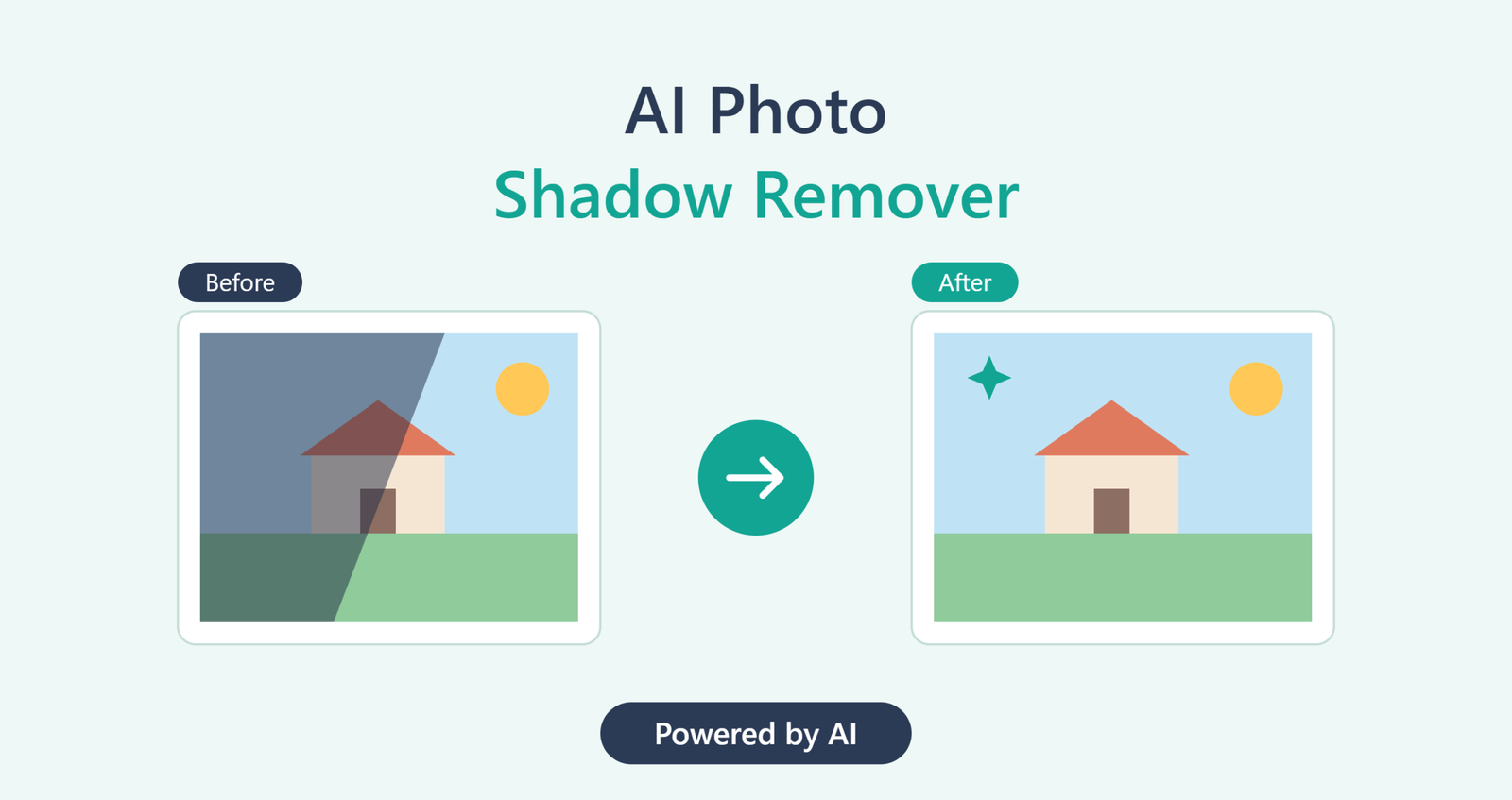
Shadows can add depth and realism to photographs, but unwanted shadows can also make images look distracting, uneven, or unprofessional. Whether you are photographing products for an online store, capturing portraits, or creating marketing graphics, harsh shadows can affect the overall quality of your images.
An AI photo shadow remover offers a convenient way to reduce or eliminate unwanted shadows without requiring advanced photo editing skills. Using artificial intelligence, these tools analyze an image, identify shadowed areas, and adjust brightness, contrast, and surrounding details to create a more balanced appearance.
Unlike traditional editing methods that require manual selections and careful adjustments, AI-powered shadow removal can automate much of the process. This makes it useful for photographers, e-commerce sellers, designers, content creators, and everyday users.
In this guide, you will learn how an AI shadow remover works, which features to look for, how to remove shadows from photos, and how to achieve natural-looking results.
What Is an AI Photo Shadow Remover?
An AI photo shadow remover is an image editing tool that uses artificial intelligence to detect and reduce unwanted shadows in digital photographs.
Traditional photo editors often require users to select shadowed areas manually and adjust exposure, brightness, or color. AI-powered tools attempt to automate these steps by analyzing the image and distinguishing darker regions from the surrounding scene.
For example, imagine a product photograph with a dark shadow underneath a bottle. An AI shadow removal tool may identify the shadow, brighten the affected area, and blend it with the background to create a cleaner product image.
Depending on the tool, you may be able to remove shadows from:
- Product photographs
- Portraits and selfies
- Documents and scanned images
- Food photography
- Real estate photographs
- Social media graphics
- Marketing and advertising images
The goal is not always to remove every shadow. In many cases, reducing harsh shadows while preserving natural depth produces a more realistic result.
How Does an AI Photo Shadow Remover Work?
AI photo shadow removal combines image analysis with automated editing techniques. Although the exact process varies between tools, most follow a similar workflow.
1. Image Analysis
The AI system examines Emirracart.info uploaded photograph to identify differences in brightness, contrast, color, and texture.
It attempts to distinguish shadows from naturally dark objects, background details, and other parts of the scene.
This distinction is important because removing every dark region could damage the original image.
2. Shadow Detection
The tool estimates which areas are affected by unwanted shadows.
Some systems identify shadows based on their boundaries, intensity, and relationship with nearby objects. More advanced systems use machine learning to recognize common photographic patterns.
For instance, the tool may detect a shadow cast by a person’s face or a dark patch beneath an object placed on a table.
3. Brightness and Color Correction
After detecting a shadow, the AI adjusts the affected pixels to reduce the difference between the shadowed region and the surrounding area.
These adjustments may involve brightness, exposure, contrast, color balance, or local tone correction.
4. Image Reconstruction and Blending
Simply brightening a shadow can create unnatural patches. To avoid this, some tools also attempt to preserve texture, edges, and surface details while blending the corrected region into the rest of the photograph.
The final result depends on the quality of the original image and the capabilities of the AI model.
Key Features of an AI Shadow Remover
Choosing the right tool can make a significant difference in image quality and editing speed.
Automatic Shadow Detection
Automatic detection is one of the most useful features. It allows users to upload an image and let the system identify likely shadow regions without manually drawing selections.
This feature is especially helpful for beginners and people who need to process many images.
Natural-Looking Results
A good AI photo shadow remover should preserve realistic lighting, textures, and object boundaries.
The objective is to remove distracting shadows without making the image appear flat, artificial, or overexposed.
Background Preservation
Background details can be damaged if the system removes too much of a shadow. Look for tools that preserve the original background, including surfaces, patterns, and gradients.
This is particularly important for product photography and professional catalog images.
High-Resolution Image Support
High-resolution support matters when photographs are used for online stores, advertising campaigns, printed materials, or professional portfolios.
Check whether the free version allows full-resolution downloads or applies restrictions to image dimensions and export quality.
Simple Online Editing
A browser-based AI shadow remover can make editing accessible without installing complex software.
An easy workflow typically involves uploading a photograph, processing it, previewing the result, and downloading the edited image.
How to Remove Shadows from Photos Using AI
Removing unwanted shadows can be straightforward when you follow a consistent process.
Step 1: Select a Suitable Photograph
Choose an image in which the unwanted shadow is clearly visible.
A sharp, well-lit photograph generally provides a better starting point than a blurry or severely underexposed image.
Step 2: Upload the Image
Open an AI photo shadow remover that supports your image format and upload the photograph.
Before uploading sensitive images, review the tool’s privacy policy, storage practices, and file deletion options.
Step 3: Start the Shadow Removal Process
Use the tool’s automatic shadow removal feature, if available.
Some tools may offer additional controls for selecting shadow areas, adjusting correction intensity, or protecting parts of the image.
Step 4: Preview the Edited Image
Compare the processed photograph with the original.AI Screenshot to Figma Converter
Check whether the shadow has been reduced, whether the colors remain consistent, and whether the correction has affected important details.
Pay particular attention to object edges, skin texture, fine patterns, and background gradients.
Step 5: Make Final Adjustments
If the image looks too bright or unnatural, reduce the correction intensity when the tool supports manual adjustments.
You may also need to make small changes to contrast, exposure, or color balance using a photo editor.
Step 6: Download the Final Image
Export the corrected image in a format suitable for its intended use.
JPEG is commonly used for photographs, while PNG may be useful when you need lossless image storage or transparency supported by the editing workflow.
Benefits of Using an AI Photo Shadow Remover
Saves Time and Effort
Manual shadow correction can involve selections, masks, brushes, and multiple adjustment layers.
AI automation can reduce the amount of repetitive work required, making it useful for users who need quick results.
Improves Product Photography
Shadows can make product images appear darker or less consistent across an online store.
An AI shadow remover can help create cleaner product photographs for clothing, electronics, cosmetics, home accessories, and other merchandise.
However, some natural shadows may be desirable because they help communicate an object’s shape and position.
Makes Portraits More Presentable
Harsh shadows across the face can distract from facial details. AI-assisted correction may soften these areas and improve the balance of the photograph.
Careful editing is essential because excessive correction can remove natural facial contours and make skin appear artificial.
Supports Marketing and Social Media Content
Businesses and content creators often need clear, visually consistent images for advertisements, social posts, presentations, and promotional materials.
Reducing unwanted shadows can help images look more polished without requiring extensive manual editing.
Helps Beginners Edit Images
Many AI-powered tools are designed for people without professional photography or graphic design experience.
A simple upload-and-process workflow can make basic image enhancement easier to learn.
Common Applications of AI Shadow Removal
E-Commerce and Online Stores
Online retailers often use product images across product pages, category listings, and advertisements.
Shadow removal can help improve consistency between product photographs, especially when lighting conditions vary between shoots.
For the best results, combine shadow correction with consistent backgrounds, framing, and image dimensions.
Portrait and Personal Photography
Users can reduce distracting shadows caused by direct sunlight, indoor lighting, or nearby objects.
AI correction can improve the appearance of a photograph, although strong shadows may require more careful manual editing.
Real Estate Photography
Property photographs sometimes contain harsh shadows from windows, furniture, or outdoor structures.
Shadow correction can help balance certain areas of an image, but it should not distort architectural features or misrepresent the property’s actual condition.
Scanned Documents and Paperwork
Photographs of documents can contain shadows from hands, phones, or uneven lighting.
AI image correction may improve readability by reducing dark areas around the page. However, important text and original document details should always be checked after processing.
AI Shadow Removal vs. Manual Photo Editing
Both automated and manual editing methods have advantages.
| Feature | AI Shadow Remover | Manual Editing |
| Speed | Often faster | Can take longer |
| Ease of use | Usually beginner-friendly | Requires more skill |
| Control | Depends on available settings | Greater precision |
| Complex shadows | Results may vary | Can offer detailed correction |
| Batch processing | Available in some tools | Depends on software and workflow |
| Consistency | Useful for repetitive edits | Requires careful adjustments |
For simple images and quick corrections, AI tools may be sufficient. For professional retouching, complicated lighting, or highly detailed photographs, manual editing may still be necessary.
A combined workflow often provides the best balance between speed and control.
Limitations of AI Photo Shadow Removers
Although AI shadow removal is useful, it cannot guarantee perfect results in every situation.
Strong shadows: Deep shadows may contain little visible detail, making realistic reconstruction difficult.
Complex backgrounds: Patterns, reflective surfaces, and textured backgrounds can become distorted during correction.
Incorrect detection: The AI may mistake naturally dark objects or intentional artistic shadows for unwanted shadows.
Artificial appearance: Excessive brightening can flatten an image and remove important visual depth.
Free-plan restrictions: Some tools limit image resolution, processing credits, batch editing, or downloadable formats.
For these reasons, always review the final image rather than assuming automatic processing has corrected every problem.
Tips for Achieving Better Results
Use these practical recommendations to improve your shadow removal workflow:
- Start with the highest-quality original photograph available.
- Avoid images that are heavily compressed or extremely dark.
- Remove only distracting shadows instead of eliminating all natural shading.
- Compare the edited image with the original before downloading.
- Check object edges and background textures for unwanted artifacts.
- Maintain consistent lighting and image dimensions across product catalogs.
- Keep an untouched copy of the original file for future editing.
- Test several tools when the first result does not meet your requirements.
These practices help preserve image quality while reducing the time spent on repetitive corrections.
Frequently Asked Questions
Can I remove shadows from photos online for free?
Yes. Some browser-based AI photo shadow removers offer free processing or limited free exports. However, available features, image limits, and download quality vary by provider.
Can AI remove shadows from product photos?
Yes. AI tools can reduce unwanted shadows in many product photographs. The quality depends on the background, lighting, object shape, and strength of the shadow.
Does shadow removal reduce image quality?
It can, particularly when the tool modifies large areas or reconstructs missing details. Choose an option that supports high-resolution exports and inspect the result before publishing it.
Can an AI shadow remover edit faces?
Some tools can reduce harsh shadows on faces. However, excessive correction may affect skin texture, facial contours, and natural lighting.
Is it possible to remove shadows without changing the background?
Some tools are designed to preserve the background while correcting shadowed areas. Results depend on the background’s complexity and the accuracy of shadow detection.
Conclusion
An AI photo shadow remover is a practical solution for reducing unwanted shadows and improving the appearance of digital photographs. By automating shadow detection, brightness correction, and image blending, these tools can help users create cleaner visuals with less manual effort.
From e-commerce product images and portraits to marketing graphics and document photographs, AI-powered shadow removal can support a wide range of editing tasks.
The key is to select a tool that preserves image details, provides suitable export quality, and produces natural-looking results. Review every processed image carefully, because automatic correction can sometimes damage textures or remove useful depth.
For everyday image editing, AI shadow removal can be an effective starting point. When combined with good photography and careful final adjustments, it can help produce more consistent, professional-looking images.





One thought on “AI Photo Shadow Remover: Remove Unwanted Shadows from Images Online”