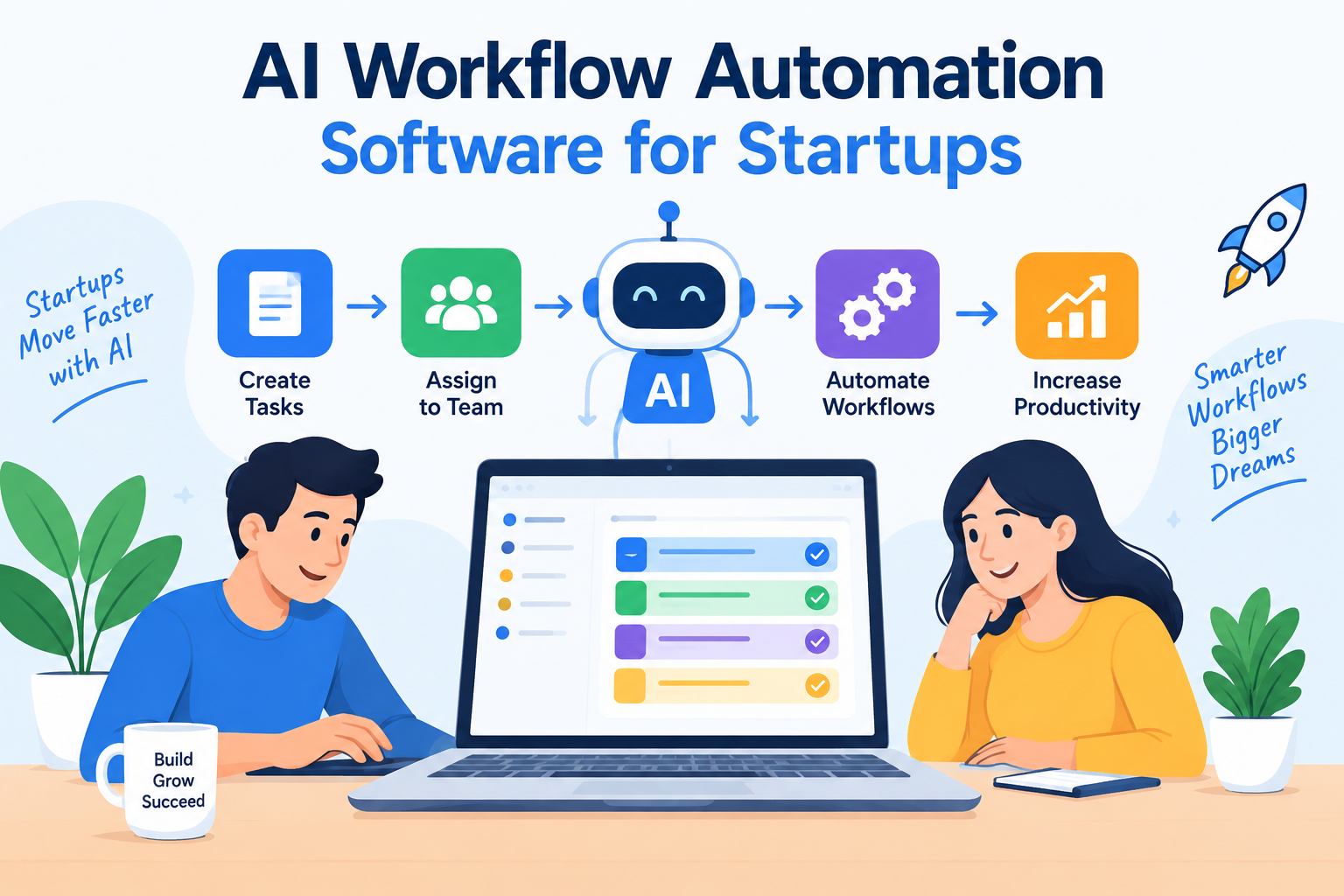
Startups rarely have the luxury of large teams or unlimited budgets. Every hour spent on repetitive, manual tasks is an hour taken away from growth, product development, and customer relationships. This is exactly why artificial intelligence workflow automation software has become one of the most talked-about tools in the startup ecosystem.
By combining machine learning, natural language processing, and rule-based logic, AI-driven automation platforms allow small teams to operate with the efficiency of much larger organizations. In this article, we’ll explore what this technology actually does, why it matters for early-stage companies, and how to choose the right solution.
What Is AI Workflow Automation Software?
AI workflow automation software refers to tools that use artificial intelligence to streamline, connect, and automate business processes. Unlike traditional automation, which follows fixed if-this-then-that rules, AI-powered systems can learn patterns, make predictions, and adapt to changing data.
For a startup, this might look like:
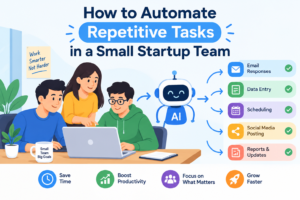
- Automatically routing customer support tickets based on urgency and sentiment
- Generating and sending personalized follow-up emails
- Syncing data between a CRM, accounting software, and marketing platform
- Summarizing meeting notes and assigning action items automatically
How It Differs From Traditional Automation
Traditional automation tools rely on static workflows. Once configured, they perform the same action every time, regardless of context. AI workflow automation, on the other hand, incorporates decision-making capabilities. It can analyze incoming data, flag anomalies, and even suggest process improvements over time.
Why Startups Need Workflow Automation
Startups operate under constant pressure to scale quickly while keeping costs low. Manual processes that seemed manageable at five employees become bottlenecks at fifty. Below are the core reasons founders are turning to intelligent automation.
1. Time and Cost Savings
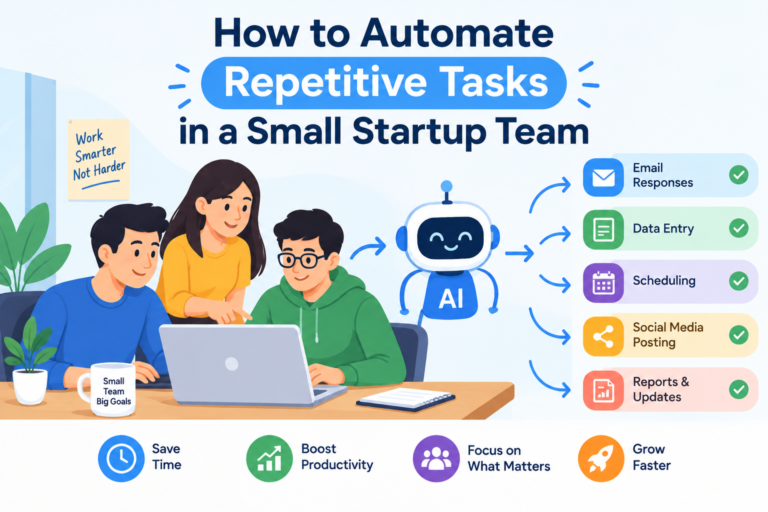
Hiring additional staff for repetitive administrative work is expensive. Automation software handles tasks like data entry, invoice generation, and email responses at a fraction of the cost, freeing up team members for higher-value work.
2. Fewer Human Errors
Manual data handling is prone to mistakes—duplicate entries, missed follow-ups, or incorrect calculations. AI-based systems reduce these errors by applying consistent logic and validation checks across every workflow.
3. Faster Decision-Making
Many automation platforms include built-in analytics. Founders and managers can access real-time dashboards that highlight performance trends, customer behavior, and operational gaps, allowing for quicker, data-informed decisions.
4. Scalability Without Overhead
As a startup grows, its processes need to scale too. AI automation tools are built to handle increasing volumes of tasks without requiring proportional increases in headcount.
Key Features to Look For
Not all automation platforms are created equal. When evaluating options, startups should prioritize the following capabilities.
Integration Capabilities
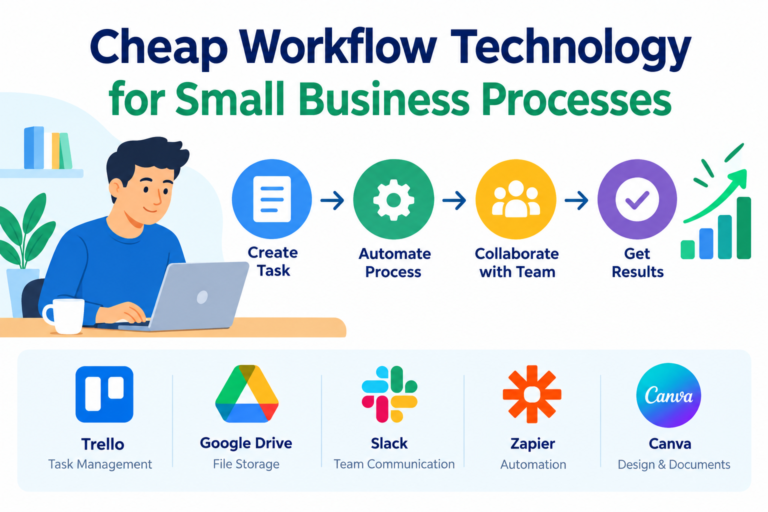
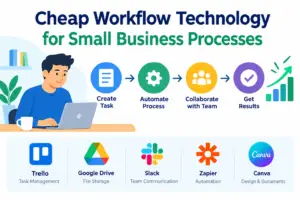
The software should connect easily with the tools your team already uses—Slack, Google Workspace, HubSpot, Notion, or your existing tech stack. Poor integration leads to fragmented data and duplicated effort.
No-Code or Low-Code Interfaces
Startups often lack dedicated engineering resources for internal tooling. A no-code or low-code interface allows non-technical team members to build and adjust workflows independently.
Customization and Flexibility
Every startup has unique processes. The best platforms allow custom triggers, conditional logic, and workflow branches tailored to specific business needs rather than forcing a one-size-fits-all approach.
Data Security and Compliance
Since automation tools often handle sensitive customer or financial data, look for platforms with strong encryption, access controls, and compliance certifications relevant to your industry.
Popular Use Cases in Startup Environments
Customer Support Automation
AI chatbots and ticket-routing systems can resolve common queries instantly, escalating only complex issues to human agents. This improves response times without expanding the support team.
Sales and Marketing Workflows
Lead scoring, email sequencing, and CRM updates can all be automated, ensuring no potential customer falls through the cracks during a busy growth phase.
HR and Onboarding
From scheduling interviews to generating offer letters and onboarding checklists, automation reduces the administrative burden on lean HR teams.
Finance and Reporting
Automated invoicing, expense tracking, and financial reporting help startups maintain accurate books without hiring a full finance department early on.
How to Choose the Right Platform for Your Startup
Before committing to a tool, consider these practical steps:
- Map your existing workflows to identify repetitive, time-consuming tasks.
- Set a realistic budget, factoring in both subscription costs and implementation time.
- Request a trial or demo to test integration with your current tools.
- Involve your team early, since adoption depends on usability, not just features.
- Start small, automating one or two processes before scaling across the organization.
Final Thoughts
AI workflow automation software is no longer a luxury reserved for enterprise companies. For startups, it represents a practical way to do more with limited resources, reduce operational friction, and stay competitive in fast-moving markets.
The key is choosing a solution that fits your team’s current needs while offering room to grow. With the right approach, automation doesn’t just save time—it becomes a foundation for sustainable scaling.




One thought on “AI Workflow Automation Software for Startups: A Practical Guide”