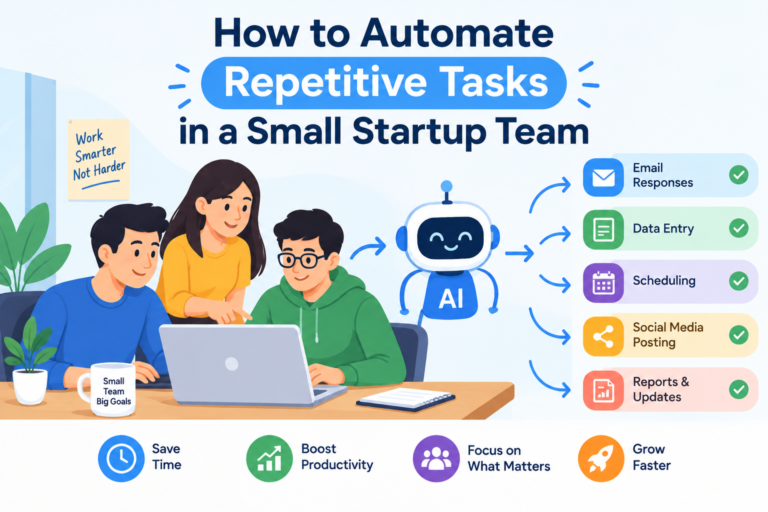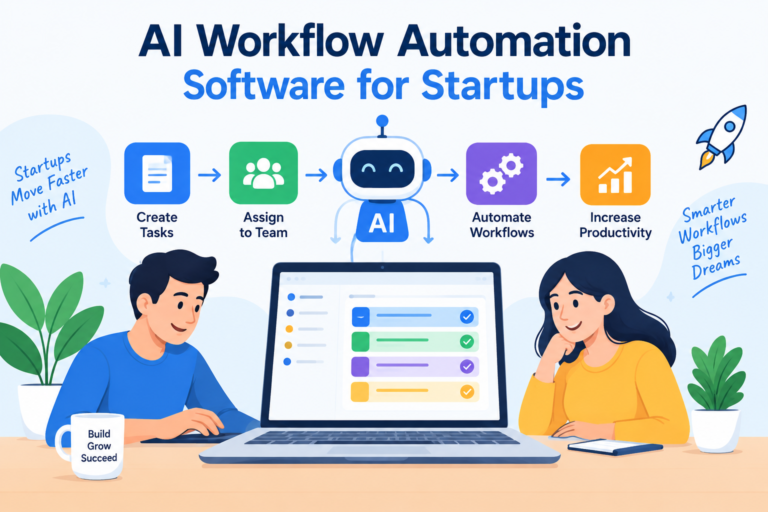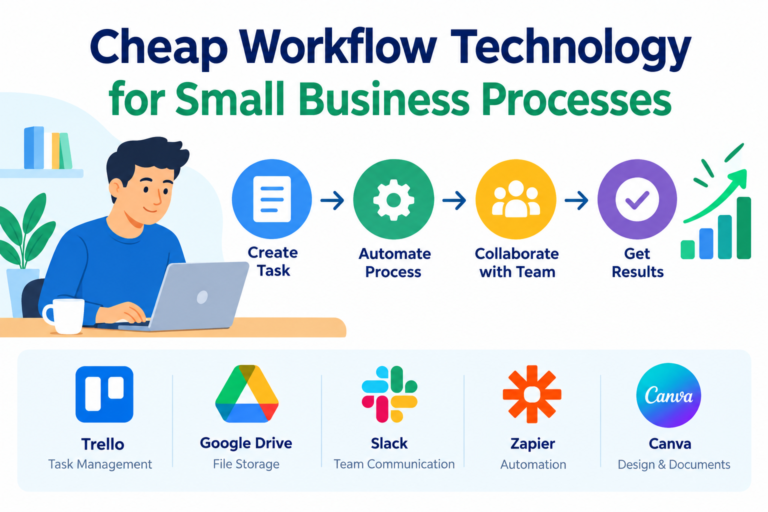
Customer expectations have changed dramatically over the past few years. People now expect businesses to provide quick, accurate, and personalized support around the clock. Meeting these expectations manually is challenging, especially as customer inquiries continue to grow. This is where AI workflow automation for customer support is transforming the way businesses interact with their customers.
By combining artificial intelligence with automated workflows, companies can streamline repetitive tasks, improve response times, and deliver a better customer experience without increasing operational costs. Whether you’re running a startup, an eCommerce store, or a large enterprise, AI-powered customer support can help your team work more efficiently while maintaining high service quality.
What Is AI Workflow Automation for Customer Support?
AI workflow automation for customer support refers to the use of artificial intelligence technologies to automate support processes that traditionally required human intervention. Instead of manually assigning tickets, answering common questions, or updating customer records, AI systems handle these tasks automatically.
These intelligent workflows use technologies such as:
- Artificial Intelligence (AI)
- Machine Learning (ML)
- Natural Language Processing (NLP)
- Conversational AI
- Robotic Process Automation (RPA)
Together, these technologies create seamless support experiences while allowing customer service agents to focus on more complex issues.
How AI Workflow Automation Works
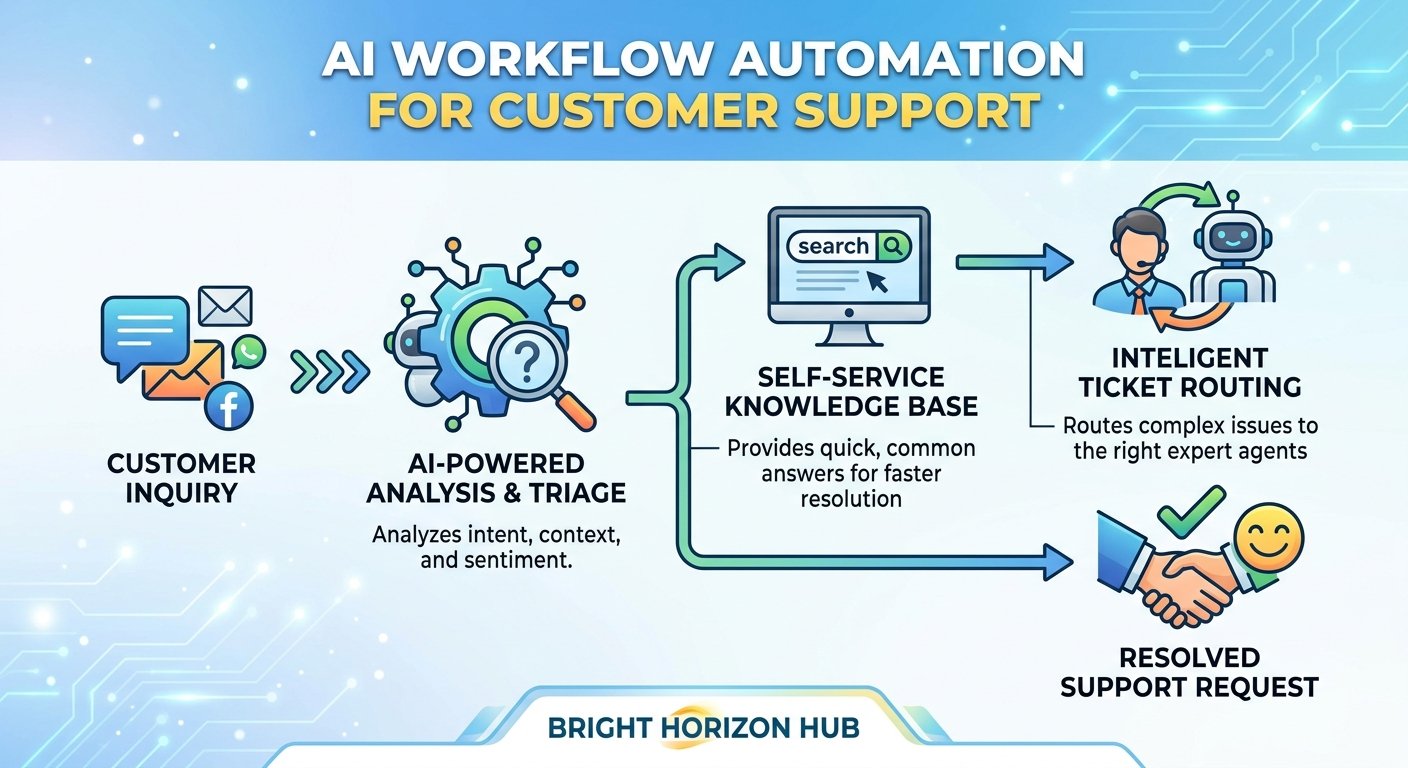
An AI-powered customer support workflow follows a structured process that minimizes manual effort.
Intelligent Ticket Routing
When a customer submits a request through email, chat, or social media, AI automatically analyzes the message. Based on keywords, urgency, customer history, and sentiment, the system assigns the ticket to the appropriate department or agent.
This eliminates delays caused by manual ticket distribution.
Automated Responses
AI chatbots and virtual assistants instantly answer frequently asked questions regarding:
- Order status
- Refund policies
- Shipping information
- Account access
- Product details
Customers receive immediate assistance without waiting for a human representative.
Knowledge Base Recommendations
Modern AI tools search internal knowledge bases and suggest relevant articles or troubleshooting guides based on customer queries. This empowers customers to solve simple problems independently.
Continuous Learning
Machine learning algorithms improve over time by analyzing previous conversations, customer behavior, and successful resolutions. As more interactions occur, the AI becomes increasingly accurate and efficient.
Key Benefits of AI Workflow Automation for Customer Support
Businesses adopting AI-driven customer service gain several competitive advantages.
Faster Response Times
Customers appreciate quick answers. AI-powered automation responds within seconds, significantly reducing waiting times and improving satisfaction.
24/7 Customer Assistance
Unlike human agents, AI systems remain available around the clock. Customers can receive support at any time, regardless of holidays or business hours.
Reduced Operational Costs
Automating repetitive customer service tasks reduces the workload on support teams. Companies can handle larger ticket volumes without constantly expanding their workforce.
Improved Customer Satisfaction
Faster resolutions, personalized responses, and consistent service contribute to higher customer satisfaction and stronger brand loyalty.
Increased Agent Productivity
Rather than spending time answering repetitive questions, human agents focus on complicated cases requiring empathy, decision-making, and problem-solving.
Better Accuracy
AI minimizes human errors during ticket categorization, data entry, and workflow execution, creating more consistent support processes.
Common Use Cases of AI Workflow Automation
AI workflow automation fits almost every customer service environment.
Live Chat Automation
AI chatbots handle first-level conversations before transferring complex issues to live agents when necessary.
Email Management
AI automatically categorizes incoming emails, identifies customer intent, prioritizes urgent requests, and drafts response suggestions.
Customer Ticket Prioritization
Support systems use AI to recognize high-priority issues based on sentiment analysis, keywords, VIP customer status, or service-level agreements.
Self-Service Portals
AI recommends relevant FAQs, tutorials, and documentation that help customers solve problems without contacting support.
Customer Feedback Analysis
Artificial intelligence reviews customer surveys, reviews, and conversations to identify recurring problems and opportunities for service improvement.
Features to Look for in AI Customer Support Automation Software
Choosing the right platform is essential for successful implementation.
Important features include:
Natural Language Processing
NLP enables AI to understand customer questions written in natural language instead of relying solely on predefined keywords.
Omnichannel Support
The software should integrate with email, live chat, WhatsApp, Facebook Messenger, websites, and other communication channels.
CRM Integration
Connecting AI with customer relationship management systems allows support teams to access complete customer histories during conversations.
Workflow Builder
A visual automation builder makes it easier to create custom workflows without advanced programming knowledge.
Analytics and Reporting
Comprehensive dashboards help monitor response times, customer satisfaction scores, automation rates, and agent performance.
Best Practices for Implementing AI Workflow Automation
Successful AI adoption requires thoughtful planning.
Start with Repetitive Tasks
Begin by automating frequently asked questions, ticket routing, appointment scheduling, and basic customer requests.
Keep Human Support Available
AI should complement human agents, not replace them entirely. Customers should always have the option to speak with a real person for complex situations.
Train AI with Quality Data
Accurate historical support conversations improve AI performance and ensure more relevant responses.
Monitor Performance Regularly
Track key metrics such as:
- First Response Time (FRT)
- Average Resolution Time
- Customer Satisfaction Score (CSAT)
- First Contact Resolution (FCR)
- Automation Success Rate
Regular optimization helps maximize long-term value.
Challenges of AI Workflow Automation
Although AI offers impressive advantages, businesses should also understand potential limitations.
Poor-quality training data can produce inaccurate responses. Highly emotional or unique customer situations often require human judgment. Additionally, businesses must prioritize data privacy and security when handling customer information.
The most successful organizations use AI to enhance—not replace—the human element of customer service.
Future Trends in AI Customer Support
The future of customer support automation continues to evolve rapidly.
Emerging innovations include:
- AI voice assistants for customer service
- Predictive support using customer behavior analysis
- Emotion and sentiment recognition
- Generative AI for personalized responses
- Hyper-personalized customer experiences
- AI copilots assisting live support agents
These technologies will continue making customer interactions faster, more intelligent, and increasingly personalized.
Conclusion
AI workflow automation for customer support is no longer a luxury—it has become a strategic investment for businesses seeking to improve efficiency and customer satisfaction. By automating repetitive processes, intelligently routing tickets, providing instant responses, and assisting support teams with data-driven insights, AI enables organizations to deliver exceptional customer experiences at scale.
Companies that implement AI thoughtfully while maintaining human oversight can reduce costs, increase productivity, and build stronger relationships with their customers. As artificial intelligence continues to advance, customer support will become even more proactive, personalized, and efficient, helping businesses stay competitive in an increasingly digital marketplace.