Cybersecurity threats are becoming more sophisticated, frequent, and difficult to detect with traditional security methods. Businesses manage cloud applications, APIs, remote systems, websites, databases, and connected devices, creating a large attack surface that attackers can exploit. An AI vulnerability scanner helps security teams identify weaknesses faster by combining automated vulnerability detection with artificial intelligence and machine learning.
Unlike basic scanners that primarily depend on predefined vulnerability signatures, AI-powered security tools can analyze large amounts of data, recognize unusual patterns, prioritize risks, and help security teams focus on the weaknesses that matter most.
What Is an AI Vulnerability Scanner?
An AI vulnerability scanner is a cybersecurity solution that uses artificial intelligence to discover, analyze, and prioritize security vulnerabilities across digital systems.
It can examine websites, applications, networks, cloud environments, APIs, endpoints, and other infrastructure for weaknesses that could potentially be exploited.Ultimate Guide to AI Cybersecurity Tools
Traditional vulnerability scanners often generate long lists of security findings. The problem is that not every vulnerability presents the same level of danger. AI can help analyze the context surrounding each finding and determine which vulnerabilities deserve immediate attention.
This makes vulnerability management more efficient and helps organizations reduce their exposure to cyber threats.
How AI Vulnerability Scanning Works
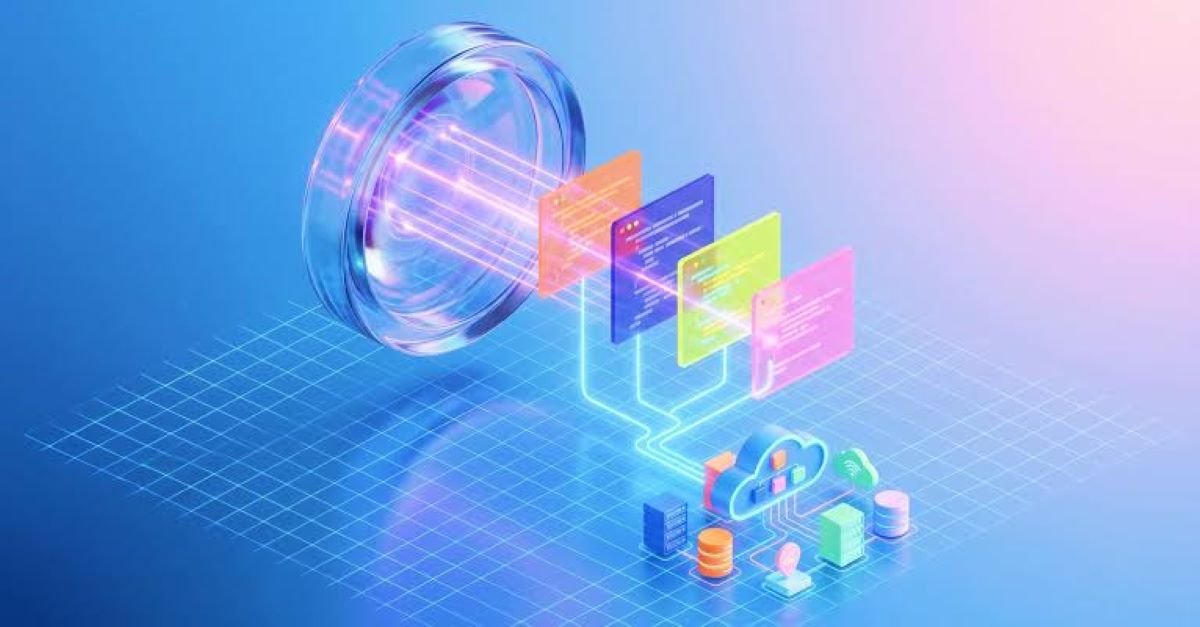
AI vulnerability scanning combines automated security testing with intelligent data analysis. The exact process depends on the platform, but most solutions follow several important stages.
Asset Discovery
The first step is identifying the systems that need to be protected. An AI-powered scanner can help discover websites, servers, applications, APIs, cloud assets, endpoints, and other connected resources.
Continuous asset discovery is particularly useful for organizations with frequently changing infrastructure.
Vulnerability Detection
Once assets are identified, the scanner examines them for potential weaknesses. These may include outdated software, insecure configurations, exposed services, weak authentication mechanisms, application vulnerabilities, and other security issues.
AI models can assist by analyzing technical information and identifying patterns that may indicate a security problem.
Risk Prioritization
Finding vulnerabilities is only part of the challenge. Security teams also need to determine which issues should be fixed first.
An AI vulnerability scanner can evaluate factors such as severity, asset importance, exposure, exploitability, and available threat information. This allows organizations to prioritize vulnerabilities based on actual risk rather than simply working through a long list of findings.
Continuous Monitoring
Modern environments change constantly. New applications are deployed, software is updated, cloud resources are created, and configurations are modified.
Continuous vulnerability scanning helps organizations detect new security weaknesses before they remain unnoticed for extended periods.
Key Benefits of an AI Vulnerability Scanner
Faster Security Assessments
Manual security assessments can require significant time and technical resources. Automated vulnerability scanning can examine large environments much faster.
AI adds another layer of efficiency by helping process and interpret security findings at scale.
Better Vulnerability Prioritization
A security team may discover hundreds or thousands of vulnerabilities during a scan. Treating every issue as equally urgent is inefficient.
AI-based risk analysis can help distinguish critical weaknesses from lower-priority findings, allowing security professionals to concentrate on the vulnerabilities most likely to create serious problems.
Reduced False Positives
False positives can waste valuable security resources. When security teams repeatedly investigate harmless findings, important vulnerabilities may receive less attention.
AI-assisted analysis can use contextual information and historical patterns to improve the quality of vulnerability assessments and reduce unnecessary investigations.
Improved Threat Detection
AI can identify patterns across large datasets that may be difficult to recognize manually. This can support the detection of unusual behavior, suspicious configurations, and emerging security risks.
However, AI should complement professional security analysis rather than completely replace it.
AI Vulnerability Scanning for Web Applications
Web applications are frequent targets for cyberattacks because they are often publicly accessible.
An AI vulnerability scanner for web applications can evaluate application behavior, configurations, authentication mechanisms, exposed endpoints, and other components for potential security weaknesses.
Depending on the tool, testing may cover issues associated with common web security risks, including injection vulnerabilities, insecure authentication, exposed sensitive information, and misconfigured security controls.
Organizations should ensure that scanning is authorized and performed within defined security boundaries.
AI Vulnerability Scanning for Cloud Environments
Cloud infrastructure can become complicated as organizations use multiple services, accounts, containers, and virtual resources.
An AI cloud vulnerability scanner can help identify misconfigurations, exposed resources, excessive permissions, outdated components, and other security weaknesses.
Continuous cloud security monitoring is especially valuable because cloud environments can change rapidly. A configuration that was secure yesterday may become risky after a new deployment or policy change.
AI-Powered Vulnerability Management
Vulnerability scanning is only one part of a broader vulnerability management strategy.
An effective security program should connect vulnerability discovery with remediation, verification, monitoring, and reporting.
AI can assist security teams by grouping similar findings, prioritizing remediation tasks, summarizing technical information, and identifying recurring security patterns.
This can make security operations more organized and easier to manage.
Limitations of AI Vulnerability Scanners
Despite their advantages, AI vulnerability scanners are not a replacement for experienced cybersecurity professionals.
Automated systems can misunderstand application behavior, produce false positives, or fail to recognize vulnerabilities that require deeper business logic analysis.
AI models can also depend heavily on the quality of the information available to them. Poor asset visibility or incomplete security data can reduce the accuracy of their recommendations.
For high-value systems, automated scanning should therefore be combined with manual testing, secure development practices, penetration testing, and expert review.
How to Choose an AI Vulnerability Scanner
Organizations should evaluate several factors before selecting a solution.
Look for support for the environments you actually use, such as web applications, APIs, networks, cloud infrastructure, containers, or endpoints. The scanner should also provide clear risk prioritization rather than simply producing large technical reports.
Integration with ticketing systems, security information and event management platforms, development workflows, and existing security tools can further improve operational efficiency.
Reporting capabilities also matter. Security teams need understandable explanations of vulnerabilities, their potential impact, and recommended remediation steps.
The Future of AI Vulnerability Scanning
Artificial intelligence is likely to play an increasingly important role in cybersecurity. As organizations expand their digital infrastructure, security teams need faster ways to discover and prioritize weaknesses.
Future AI vulnerability scanners may become better at understanding application context, identifying relationships between vulnerabilities, analyzing attack paths, and recommending remediation strategies.
The strongest approach will not be to rely entirely on automation. Instead, organizations can combine AI-powered vulnerability detection with human expertise, secure development practices, continuous monitoring, and proactive security testing.
Conclusion
An AI vulnerability scanner can make cybersecurity operations faster, more scalable, and more focused. By automating asset discovery, vulnerability detection, risk analysis, and continuous monitoring, these tools can help organizations identify security weaknesses before attackers exploit them.
However, AI scanning is not a complete security strategy. Its greatest value comes when it works alongside skilled security professionals and a structured vulnerability management process.
For modern businesses facing increasingly complex digital threats, combining artificial intelligence with human security expertise provides a practical path toward stronger and more resilient cybersecurity.