
How WhatsApp Review Requests Help Small Businesses Build Trust and Grow 2
Why Customer Reviews Are Important for Small Businesses
Why Traditional Review Collection Often Fails 3
How WhatsApp Is Changing Customer Feedback Collection 4
How Automated Review Requests Work 4
1. Complete the Customer Interaction 4
2. Send a Personalized Message 4
3. Provide a Direct Review Link 5
5. Monitor and Respond to Feedback 5
How Review Automation Saves Time for Business Owners 5
Five Businesses That Can Benefit From WhatsApp Review Requests
Best Practices for Sending Review Requests Through WhatsApp 7
How Customer Feedback Supports Long-Term Business Growth 8
The Future of Customer Review Automation 8
Customer reviews have become an essential part of doing business online. Whether someone is searching for a nearby restaurant, booking a salon appointment, choosing a dental clinic, or hiring a home service provider, online ratings often influence their final decision.
For small businesses, the challenge is not always delivering excellent service. Many satisfied customers simply forget to leave a review after their experience.
Traditional methods, such as asking customers verbally or sending occasional emails, can be inconsistent. Businesses need a practical way to request honest feedback without creating additional work for employees.
One increasingly useful approach is WhatsApp-based review collection. By combining familiar messaging technology with customer engagement automation, businesses can make it easier for customers to share their experiences.
Why Customer Reviews Are Important for Small Businesses
Online reputation affects how potential customers perceive a business.
When consumers discover an unfamiliar company, they often look at its ratings, recent feedback, and responses to customer complaints before deciding whether to make a purchase.
A business with consistent, genuine reviews can demonstrate its service quality more effectively than relying on advertising claims alone.
Customer reviews can support business growth in several ways:
- Build credibility: Authentic customer experiences help potential buyers make informed decisions.
- Improve visibility: Relevant reviews can contribute to a business’s local online presence.
- Increase confidence: Recent, detailed feedback can reduce hesitation among first-time customers.
- Provide insights: Customer comments highlight strengths and areas that need improvement.
- Encourage engagement: Professional responses show that a company values customer opinions.
However, businesses should remember that the goal is not to collect only positive ratings. Genuine reviews, including constructive criticism, create a more transparent picture of customer satisfaction.
Why Traditional Review Collection Often Fails
Many businesses depend on employees to ask customers for reviews at checkout or after completing a service.
Although this approach can work, it has limitations.
Employees may forget to ask during busy periods. Customers might agree to leave feedback but become distracted later. Email requests may also receive limited attention when they compete with newsletters, advertisements, and other messages.
Another challenge is convenience.
If customers must search for a business online, locate its review profile, and navigate multiple pages, they may abandon the process.
Reducing these unnecessary steps makes feedback collection simpler for both customers and business owners.
How WhatsApp Is Changing Customer Feedback Collection
WhatsApp has become an important communication platform for businesses in many markets, including the UAE, India, and other regions where messaging apps are widely used.
Customers already use WhatsApp to communicate with friends, family, businesses, and service providers.
This familiarity makes the platform a practical channel for requesting feedback, provided customers have agreed to receive business communications.
Instead of asking someone to search for a review page, a company can send a short message containing a direct review link.
For example, a salon could send a message after a completed appointment thanking the customer for visiting and inviting them to share their experience.
Businesses exploring WhatsApp Review Requests can use dedicated tools to personalize messages, streamline invitations, and manage appropriate follow-ups.
The objective is to make sharing feedback convenient, not to pressure customers into leaving favorable ratings.
How Automated Review Requests Work
A typical automated review collection process involves several straightforward steps.
1. Complete the Customer Interaction
The process begins after a genuine customer experience, such as a restaurant visit, completed appointment, delivered product, or finished service.
This ensures the review invitation is connected to an actual interaction.
2. Send a Personalized Message
Once the customer has consented to receive messages, the business can send an appropriate review invitation.
A personalized message should identify the business, thank the customer, and explain why feedback matters.
For example:
“Hi Sarah, thank you for visiting our salon today! We’d love to hear about your experience. You can share your feedback here: [Review Link].”
Short, friendly messages are generally easier to understand than lengthy promotional communications.
3. Provide a Direct Review Link
The message should include a clear link to the relevant review platform.
Customers should not need to search for the business or navigate an unnecessary series of pages.
A simpler process can reduce friction and encourage participation.
4. Follow Up Responsibly
Some customers may miss the first message or intend to respond later.
A single polite reminder can be appropriate when permitted by the customer’s communication preferences and applicable messaging rules.
Businesses should avoid repeated or unwanted messages and provide a straightforward way to opt out.
5. Monitor and Respond to Feedback
Collecting reviews is only the beginning.
Businesses should regularly monitor customer comments, thank customers for useful feedback, and address complaints professionally.
This turns review collection into an ongoing customer relationship process.
How Review Automation Saves Time for Business Owners
Small business owners often manage several responsibilities simultaneously, including sales, customer service, staffing, marketing, and daily operations.
Manually tracking every customer and sending individual feedback invitations can become time-consuming.
Review automation helps make this process more manageable.
Instead of remembering to contact each customer, businesses can create standardized workflows that support consistent review requests.
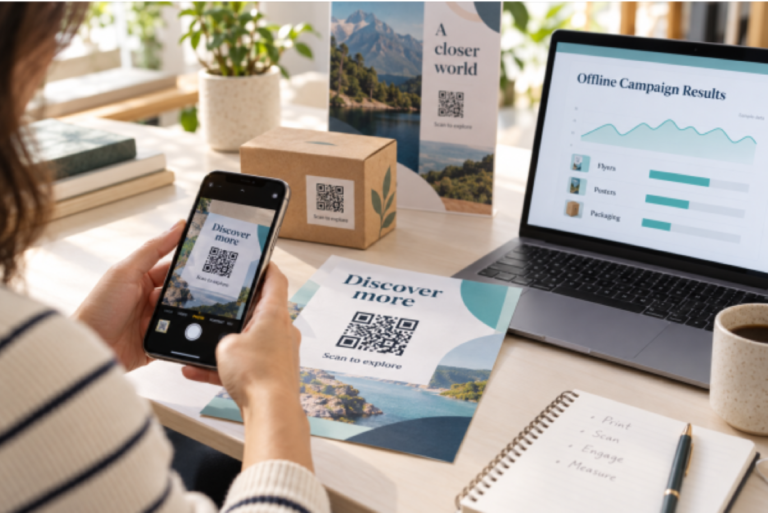
Solutions designed to help businesses Get More Reviews can combine review links, customer communication channels, QR codes, and feedback management features within one system.
This can reduce repetitive administrative work and give business owners more time to focus on service quality and customer relationships.
Importantly, automation should support meaningful customer communication rather than replacing personal attention.
Five Businesses That Can Benefit From WhatsApp Review Requests
- Restaurants and Cafés
Restaurants interact with numerous customers each day, making individual review follow-ups difficult. With customer consent, restaurants can send a short message after a reservation or dining experience. Feedback can help management understand food quality, service speed, cleanliness, and the overall dining experience.
- Salons and Spas
Beauty and wellness businesses often maintain direct relationships with regular clients. Sending an appropriate feedback request after an appointment allows customers to share their experiences while the service is still fresh in their minds. Reviews can also highlight which services customers appreciate most.
- Dental Clinics
Dental practices depend heavily on patient confidence and professional credibility. A carefully worded review invitation can help patients provide feedback about appointment scheduling, staff communication, and their overall experience. Clinics must take additional care to protect patient privacy and comply with healthcare communication requirements.
- Home Service Providers
Cleaning companies, maintenance teams, electricians, and other home service providers can request feedback after completing a job. Timely reviews may help prospective customers evaluate reliability, communication, and service quality.
- Hotels and Guesthouses
Hospitality businesses can request reviews after checkout, allowing guests to comment on room quality, cleanliness, customer service, and amenities.
These insights can support improvements while helping future guests make informed booking decisions.
Best Practices for Sending Review Requests Through WhatsApp
WhatsApp can be an effective engagement channel when businesses use it responsibly.
To create a positive experience, companies should follow several practical guidelines.
- Ask for permission first. Customers should understand that they may receive messages from the business. Follow applicable consent requirements and WhatsApp policies.
- Choose appropriate timing. A request sent soon after a completed service is often more relevant than one delivered several weeks later.
- Keep messages short. Customers should immediately understand who is contacting them and why.
- Use personal details carefully. Including a customer’s first name can make a message feel more relevant, but sensitive information should not appear unnecessarily.
- Invite honest opinions. Avoid requesting only five-star reviews or offering incentives in exchange for positive ratings.
- Respect opt-outs. Customers who no longer wish to receive messages should be excluded from subsequent campaigns.
- Respond professionally. A thoughtful response to criticism can be just as important as thanking someone for positive feedback.
The most effective review strategies focus on improving customer experiences rather than manipulating public ratings.
Common Mistakes to Avoid
Businesses adopting review automation sometimes make avoidable mistakes.
One is sending generic messages that provide no context. Customers should know which business is contacting them and what interaction the message relates to.
Another is overusing reminders. Multiple follow-ups can make a legitimate feedback request feel like spam.
Some businesses also focus exclusively on increasing review numbers without responding to existing customer complaints.
A large collection of unanswered negative reviews may create a poor impression, even when the business has many positive ratings.
Finally, organizations should avoid selectively inviting only happy customers to leave public reviews. A transparent approach invites genuine feedback regardless of the customer’s experience and follows the rules of the destination review platform.
How Customer Feedback Supports Long-Term Business Growth
Customer reviews offer more than an opportunity to improve online ratings.
They provide practical information about how customers experience a business.
For example, if several customers mention that appointment scheduling is confusing, the business can simplify its booking process.
If restaurant guests repeatedly praise a particular menu item, management may decide to feature it more prominently.
If clients report slow response times, the company can investigate communication workflows.
By identifying recurring themes, businesses can improve service delivery and make more informed operational decisions.
Over time, consistently responding to feedback can help build stronger customer relationships.
The Future of Customer Review Automation
As digital communication becomes increasingly integrated into everyday business operations, review collection is likely to become more automated and personalized.
Businesses may use customer relationship management systems, messaging integrations, and AI-assisted analysis to understand customer feedback more efficiently.
For instance, AI tools can help categorize reviews by topic, identify frequently mentioned service issues, and draft suggested responses for staff to review.
Automation can also help coordinate communication across email, SMS, WhatsApp, and in-person QR code touchpoints.
However, technology alone cannot create a trustworthy reputation.
Businesses must continue delivering reliable services, protecting customer information, and responding sincerely to customer concerns.
Conclusion
For small businesses, earning customer trust is an ongoing process.
Positive experiences matter, but customers also need convenient opportunities to share their opinions.
WhatsApp-based review requests offer a practical way to connect with customers through a familiar communication channel, while automation can reduce manual work and improve consistency.
When combined with responsible messaging, authentic feedback collection, and thoughtful customer service, these tools can support stronger online reputations and better business decisions.
The ultimate goal is not simply to collect more ratings. It is to create a feedback process that helps businesses listen, learn, and continuously improve.