Search engines are changing. People no longer rely only on traditional Google results to find information, compare products, or discover businesses. They increasingly use AI-powered platforms such as ChatGPT, Google AI Overviews, Gemini, and Perplexity to get direct answers.
This change has created a new opportunity for businesses: appearing in AI-generated answers. However, understanding whether your brand is mentioned, which websites AI platforms cite, and how competitors perform can be difficult without the right technology.
This is where AI search optimization tools become useful. They help marketers monitor brand visibility, analyze AI citations, discover content opportunities, and improve their presence across modern search experiences.
What Are AI Search Optimization Tools?
AI search optimization tools are software platforms that help businesses understand and improve how their websites, products, and brands appear in AI-powered search results.
Unlike traditional SEO tools that mainly focus on keyword rankings, backlinks, and organic traffic, AI visibility platforms also monitor brand mentions, citations, competitor recommendations, and answers generated by AI systems.
These tools can help businesses understand how platforms such as ChatGPT, Perplexity, Gemini, and Google AI Overviews present information about their industry.
Why Are AI Search Optimization Tools Important in 2026?
AI search is becoming an important part of the online discovery process. Users can ask detailed questions and receive summarized answers instead of visiting multiple websites.
If an AI platform recommends a competitor but does not mention your business, you may miss an opportunity to reach potential customers.
AI search optimization tools help identify these visibility gaps and provide information that can guide your content and marketing strategy.
How Do AI Search Engines Discover Information?
AI-powered search experiences may retrieve information from web pages, search indexes, and other sources before generating an answer. Some systems also provide links to the sources supporting their responses.
This means that accessible, accurate, helpful, and well-organized website content remains important. However, appearing in an AI-generated answer is not guaranteed.
How Do AI Search Optimization Tools Work?
Most AI visibility platforms collect and analyze responses to selected questions or prompts across supported AI search engines.
Their features commonly include:
- AI visibility tracking: Measures how frequently a brand appears in AI-generated answers.
- Brand mention monitoring: Identifies when AI platforms mention a business, product, or website.
- Citation tracking: Shows which website pages and external sources are referenced in AI responses.
- Competitor analysis: Compares your brand’s visibility with competing businesses.
- Prompt research: Finds questions that potential customers may ask AI assistants.
- Content gap analysis: Identifies topics where competitors receive visibility but your website does not.
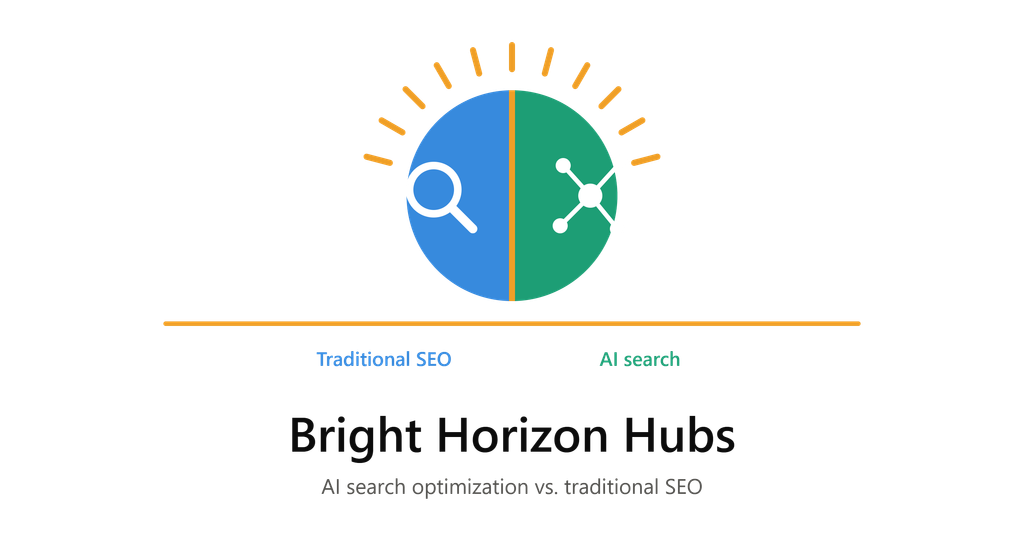
AI Search Optimization vs. Traditional SEO
What Is Traditional Search Engine Optimization?
Traditional SEO is the process of improving a website’s visibility in unpaid search engine results. It involves keyword research, technical SEO, content optimization, backlinks, internal linking, and user experience. Its main objective is to attract relevant visitors from search engines such as Google and Bing.
What Is Generative Engine Optimization (GEO)?
Generative Engine Optimization (GEO) focuses on improving the chances that a brand or website will be mentioned, referenced, or cited in AI-generated responses. It involves creating useful content, demonstrating expertise, maintaining accurate information, and building a credible online presence.
What Is Answer Engine Optimization (AEO)?
Answer Engine Optimization (AEO) focuses on making information easy for answer engines and AI assistants to understand and use when responding to questions. Clear explanations, relevant headings, concise answers, and structured information can support this approach.
Key Differences Between SEO, GEO, and AEO
| Strategy | Main focus |
| SEO | Organic search rankings and website traffic |
| GEO | Visibility in generative AI responses |
| AEO | Providing information that answer engines can use |
These strategies overlap. Businesses should generally combine them instead of treating AI search optimization as a replacement for traditional SEO.
15 Best AI Search Optimization Tools in 2026
Choosing the right platform depends on your budget, business size, and preferred AI search engines. Here are 15 tools worth exploring.
1. Semrush AI Visibility Toolkit
Semrush offers AI visibility features alongside its established SEO platform. It helps businesses monitor brand presence, analyze competitors, and understand visibility across supported AI search experiences.
Best for: SEO professionals and businesses already using Semrush.
2. Ahrefs Brand Radar
Ahrefs Brand Radar helps marketers monitor brand mentions and visibility across AI search experiences. It can also help identify competitors and sources associated with relevant topics.
Best for: Businesses that already use Ahrefs for SEO research.
3. Profound
Profound is an AI search analytics platform designed to help organizations understand how their brands appear across AI assistants. Its capabilities include prompt research, visibility monitoring, and citation analysis.
Best for: Enterprise brands and larger marketing teams.
4. Peec AI
Peec AI focuses on tracking brand visibility across AI platforms. It provides insights into mentions, citations, competitors, and changes in AI search performance.
Best for: Marketing teams and agencies monitoring multiple brands.
5. Otterly.AI
Otterly.AI helps businesses monitor how AI search engines mention their brands and products. It also offers visibility insights and citation monitoring.
Best for: Small businesses and marketers starting with AI visibility tracking.
6. HubSpot AEO
HubSpot’s AEO offering helps businesses understand their brand’s presence in AI-generated answers and identify opportunities to improve discoverability.
Best for: Businesses already using HubSpot’s marketing ecosystem.
7. Scrunch AI
Scrunch AI focuses on AI visibility and how websites are accessed by AI systems. Its capabilities can help businesses examine their presence in AI answers and improve their readiness for AI-driven discovery.
Best for: Brands interested in AI visibility and website optimization.
8. AthenaHQ
AthenaHQ provides AI search monitoring and optimization insights. It helps businesses examine brand mentions, competitor visibility, and opportunities to improve their presence in AI-generated responses.
Best for: Marketing teams looking for actionable GEO insights.
9. Writesonic
Writesonic combines AI content capabilities with search visibility features. Its GEO-related tools can help marketers monitor brand presence and understand how AI platforms discuss their businesses.
Best for: Content marketers and businesses combining content creation with visibility tracking.
10. Rankscale
Rankscale is an AI visibility tracking platform that helps users monitor brand performance across supported AI search engines. It offers insights into prompts, mentions, and competitor visibility.
Best for: Freelancers, smaller businesses, and SEO professionals.
11. SE Ranking
SE Ranking provides traditional SEO features alongside AI search tracking capabilities. Businesses can use its platform to research keywords, monitor rankings, and explore their visibility in supported AI search experiences.
Best for: SEO agencies and businesses wanting SEO and AI monitoring in one platform.
12. ZipTie
ZipTie focuses on understanding visibility in AI-powered search experiences, including Google AI Overviews. It can help marketers investigate how their content appears in AI-generated results.
Best for: Businesses interested in AI search result analysis.
13. Conductor
Conductor is an enterprise-focused organic marketing platform with content intelligence and AI search visibility capabilities. It helps larger teams manage content performance and discover optimization opportunities.
Best for: Enterprise SEO and content marketing teams.
14. Brandlight
Brandlight focuses on brand visibility and monitoring across AI-driven search experiences. It can help organizations understand how AI platforms represent their brands and competitors.
Best for: Larger brands managing their online reputation and AI visibility.
15. Google Search Console
Google Search Console is a free Google tool that helps website owners monitor search performance, indexing, technical issues, and organic search queries.
It is not a complete AI visibility tracker for ChatGPT or Perplexity. However, it remains valuable for monitoring Google Search performance, including eligible Google AI search experiences through the available reporting.
Best for: Website owners, bloggers, and SEO professionals.
Pricing and feature availability vary by platform, plan, and region. Some providers offer free trials or limited free features, while enterprise platforms may require a custom quote. Check official pricing pages before purchasing.
Key Features to Look for in AI Search Optimization Tools
Before choosing an AI SEO platform, consider the features that support your marketing goals.
- Visibility tracking: Measures how often your brand appears in AI responses.
- Brand sentiment: Helps understand whether AI responses describe your brand positively, negatively, or neutrally.
- Citation analysis: Identifies pages and sources referenced by AI platforms.
- Competitor benchmarking: Shows how your visibility compares with competing brands.
- Content recommendations: Highlights missing topics and opportunities for improvement.
- Multi-platform monitoring: Supports several AI search engines instead of just one.
- Performance reporting: Helps track changes over time and communicate results to stakeholders.
Free vs. Paid AI Search Optimization Tools

Best Free AI Search Optimization Tools
Businesses with limited budgets can begin with Google Search Console, free AI visibility checkers, and limited trials offered by some specialist platforms.
These options can provide useful starting insights without requiring a large investment.
Benefits of Paid AI Search Optimization Platforms
Paid tools often provide more prompt tracking, competitor comparisons, automated reporting, historical data, and broader platform coverage.
These features can be particularly valuable for agencies and businesses managing multiple websites.
Which Option Is Best for Your Business?
A small website may only need basic monitoring and occasional manual checks. An established company or SEO agency may benefit from a paid platform with regular reporting and competitor analysis.
Choose based on the value of the insights you receive, not simply the number of features advertised.
How to Choose the Right AI Search Optimization Tool
Tools for Small Businesses
Look for affordable platforms with simple dashboards, essential tracking, and easy-to-understand reports.
Tools for SEO Agencies
Choose tools that support multiple projects, competitor benchmarking, and client reporting.
Tools for Ecommerce Websites
Prioritize product-related prompts, brand recommendations, category visibility, and competitor comparisons.
Tools for Enterprise Companies
Larger organizations may require advanced analytics, team collaboration, integrations, and customized reporting.
How to Use AI Search Optimization Tools to Improve Visibility

Follow these practical steps to build an effective AI search optimization strategy:
- Identify your target platforms: Decide whether ChatGPT, Google AI Overviews, Gemini, or Perplexity matters most to your audience.
- Research relevant prompts: Find the questions customers ask before choosing a product or service.
- Monitor brand mentions: Check whether AI platforms recognize and recommend your business.
- Analyze competitors: Identify which competitors appear in relevant AI-generated answers.
- Discover content gaps: Find useful topics your website has not covered adequately.
- Improve your content: Publish accurate, original, detailed, and helpful information.
- Measure progress: Review visibility, citations, referral traffic, and conversions regularly.
Best Practices for AI Search Optimization
Successful AI search optimization requires a long-term approach.
- Publish original content that genuinely answers users’ questions.
- Demonstrate expertise and support important claims with reliable sources.
- Use descriptive headings and clear explanations.
- Keep your website crawlable and indexable.
- Use relevant structured data that accurately reflects visible page content.
- Build brand credibility through genuine industry recognition.
- Update outdated information and remove unnecessary content.
Remember that useful content and strong technical SEO fundamentals matter more than trying to follow every new AI optimization trend.
Limitations of AI Search Optimization Tools
Although these platforms provide valuable insights, they have limitations.
AI responses can change depending on the prompt, location, model, and time of the search. Different tools may also use different tracking methods, making direct comparisons difficult.
Furthermore, a brand mention does not automatically produce website traffic or sales. Tracking tools provide estimates and observations, not guaranteed rankings or AI recommendations.
Common AI Search Optimization Mistakes to Avoid
Some businesses make mistakes when trying to improve their AI search visibility.
- Ignoring traditional SEO fundamentals.
- Publishing large amounts of low-quality AI-generated content.
- Focusing only on brand mentions instead of business results.
- Neglecting technical SEO and website accessibility.
- Copying competitors without providing original insights.
- Expecting guaranteed citations from AI platforms.
Avoiding these mistakes helps create a more sustainable search strategy.
The Future of AI Search Optimization
AI-powered search experiences are continuing to develop, creating new ways for people to discover businesses, products, and information.
As these experiences evolve, brands will need to understand not only their traditional search rankings but also how AI systems describe and reference them.
GEO and AEO are likely to remain important areas of digital marketing. Businesses that invest in useful content, technical accessibility, brand credibility, and consistent performance monitoring will be better prepared for these changes.
FAQs
What are AI search optimization tools used for?
They help businesses monitor brand mentions, citations, competitor visibility, and website presence across AI-powered search platforms.
Which is the best AI search optimization tool?
There is no single best tool for everyone. Semrush and Ahrefs suit established SEO users, while Peec AI, Otterly.AI, and Rankscale are options worth exploring for specialist visibility tracking.
Are there any free AI search optimization tools?
Yes. Google Search Console is free, and some specialist providers offer free checkers, limited plans, or trials. Their features vary.
How can I track my website in ChatGPT search results?
You can use an AI visibility platform that supports ChatGPT, monitor relevant prompts, and examine whether your website or brand appears in responses and cited sources.
What is the difference between GEO and AEO?
GEO focuses on visibility in generative AI responses, while AEO focuses on making content useful and accessible to answer engines. The two approaches overlap.
Does AI search optimization help Google rankings?
AI search optimization is not a guaranteed ranking factor. However, helpful content, technical accessibility, and strong SEO fundamentals can support visibility in traditional Google Search and its AI features.
Are AI search optimization tools useful for small businesses?
Yes. Small businesses can use affordable tracking tools to understand competitors, identify content opportunities, and monitor how AI platforms present their products or services.
Conclusion
AI search optimization tools are becoming useful resources for businesses that want to understand their visibility beyond traditional search engine rankings. They help marketers monitor brand mentions, analyze citations, compare competitors, and discover content opportunities across AI-powered search platforms.
The right tool depends on your business goals, budget, and target audience. Start with the features you genuinely need, maintain strong traditional SEO practices, and create trustworthy content that answers real customer questions.
Most importantly, treat AI search optimization as an extension of your overall digital marketing strategy rather than a replacement for SEO.