If you’ve landed on a new website, one question comes up quickly: is there actual content here, or is it just a landing page? So, does brighthorizonhubs.com have a blog?
Yes, it does. In fact, the blog is the website. Open the homepage and you’re looking at a full publishing hub with fresh articles, topic categories, and a clear editorial focus.
This guide covers how the blog is organized, what it writes about, and who will get the most out of it.
Does brighthorizonhubs.com have a blog? The short answer
The site runs under the name Bright Horizon Hubs, with the tagline “Building a Smarter Digital Future.” Its homepage doubles as a blog feed, so new readers see recent posts right away instead of a generic welcome screen.
The site describes its mission as sharing practical insights on technology, AI, digital tools, productivity, and online growth. That’s a broad promise, but the articles show a consistent direction.
Here’s what a first-time visitor will notice:
- A “Trending” section highlighting the newest posts
- Curated areas such as Top Picks, Must-Read Highlights, and Explore Articles
- Estimated reading times on each post
- Comment sections where readers can respond
- Pagination links to browse older articles
It feels like a working publication, not a placeholder.
Main blog categories on Bright Horizon Hub
The navigation menu points to five core topic areas. Each one targets a different slice of the digital world.
Technology
This category covers general tech topics and digital developments. It suits readers who want to follow how tools and platforms are changing without wading through jargon.
AI & Automation
This is the busiest section by far. Nearly every recent post sits here, which tells you where the editorial energy is going. Expect guides on AI-powered tools, image editing, design conversion, and workflow automation.
Business & SaaS
Software-as-a-service tools and business operations get their own lane. It’s useful for founders, freelancers, and small teams comparing options or looking for ways to work more efficiently.
Finance & Digital Economy
This section looks at money and the online economy. It fits readers curious about how digital platforms affect earning, spending, and business growth.
Home & Lifestyle
Not everything is about software. This category rounds out the site with lifestyle content, giving casual readers a reason to stick around.
What kind of articles does the blog publish?
The recent posts reveal the blog’s personality. They lean toward practical, search-friendly how-to content that solves a specific problem.
A few themes stand out.
Image editing and photo cleanup
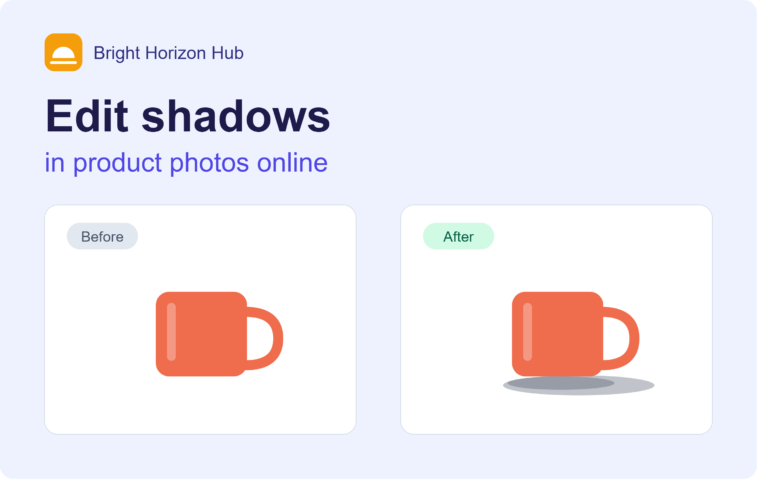
Several articles deal with shadows in photographs. Topics include removing hard shadows from product photography, fixing harsh shadows selectively, and using free AI tools to erase unwanted shadows. These are useful for online sellers, photographers, and anyone who has taken a good shot ruined by bad lighting.
Design and developer tools
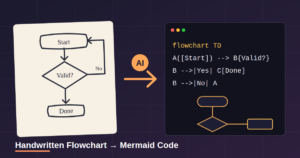
Another cluster covers converting visuals into editable formats. Examples include turning screenshots into Figma designs, converting UI screenshots into wireframes, and changing flowcharts into Mermaid code. Designers, developers, and product teams will find these relevant.
Business automation
At least one post explains how small businesses can automate document processing. Invoices, receipts, and contracts pile up fast, so this topic has obvious appeal for owners without large admin teams.
The pattern is clear. Each article starts with a real frustration and walks toward a solution.
How often does the blog publish new content?
Publishing frequency is one of the best signs of a healthy blog, and this one scores well on it.
Recent posts are dated across consecutive days in mid-October 2026, with several appearing on the same day. That suggests an active, ongoing content schedule rather than a one-time launch.
That said, a burst of posts doesn’t guarantee long-term consistency. If you plan to follow the blog, check back over a few weeks to see whether the pace holds.
How readable is the content?
Reading time is displayed on each article, and most fall between seven and eleven minutes. That’s a good length for tutorials: long enough to be thorough, short enough to finish in one sitting.
Openings are conversational. Instead of burying readers in definitions, posts often begin with a relatable scenario, like framing the perfect photo and then spotting a distracting shadow. That approach feels more human than the stiff, textbook tone common on tech sites.
Extra pages that support the blog
A good blog needs more than posts. Bright Horizon Hubs includes several supporting pages in its footer:
- About: background on the site and its purpose
- Contact: a way to reach the team
- Write For Us: an invitation for guest contributors
- Content Policy: the standards behind what gets published
These pages build trust. They show there’s a real operation behind the articles, and the guest-posting option signals openness to outside voices.
Who should read the Bright Horizon Hub blog?
The blog won’t suit everyone, but several groups will find it useful.
- Small business owners looking for practical automation and SaaS advice
- Online sellers and photographers who want cleaner product images
- Designers and developers exploring tools that speed up conversion and prototyping
- Curious tech readers who like plain-English explanations of AI tools
- Aspiring writers and marketers interested in contributing through the Write For Us page
If you want deep academic analysis or breaking news, look elsewhere. If you want step-by-step guidance on everyday digital tasks, this is a good fit.
Why a blog matters for a site like this
For a newer website, a blog does heavy lifting. Each article is a new page that can appear in search results, answer a specific question, and bring in readers who’d never find the homepage on their own.
Bright Horizon Hubs appears to understand this. Its article titles target clear, searchable phrases such as “AI shadow removal online free” and “screenshot to wireframe converter.” Readers typing those exact questions into a search engine are the people the blog is built to reach.
Comment sections add another layer. Several posts already show reader comments, which helps a young site feel active and gives readers a place to ask follow-up questions.
Tips for getting the most from the blog
A few simple habits will help you use the site well.
- Start with the category that matches your need. AI & Automation has the deepest library right now.
- Check the reading time. Pick a longer guide when you want depth and a shorter one when you’re in a hurry.
- Use the search bar. If you have a specific problem, searching is faster than browsing.
- Read the comments. Other readers sometimes share tips or point out details the article missed.
- Browse older pages. The “Older Articles” link leads to earlier posts you might have missed.
Final thoughts: does brighthorizonhubs.com have a blog?
It does, and it’s the heart of the site. Bright Horizon Hubs is a content-first publication organized around technology, AI, business tools, digital finance, and lifestyle. Its recent output leans toward practical, problem-solving guides, supported by clear navigation, readable formatting, and the trust pages that make a site feel legitimate.
As with any young blog, the real test is consistency over time. Based on what’s live today, though, the answer to “does brighthorizonhubs.com have a blog?” is a confident yes, and it’s worth a look if you enjoy learning how smarter digital tools can simplify your work.